What Sweeteners Are Used in No Sugar Syrup?
Understanding No Sugar Syrup
No sugar syrup is a modern alternative to traditional syrup, offering sweetness without the high calorie and carbohydrate content of granulated sugar. It’s commonly used in coffee, desserts, and smoothies, providing the same flavour experience with fewer health drawbacks. As people become more health-conscious, many are switching to no sugar options that allow them to enjoy sweetness without compromising on their dietary goals. The secret behind this balance lies in the choice of sweeteners used during production.
Natural Sweeteners Used in No Sugar Syrups
Natural sweeteners are plant-based alternatives that provide sweetness without raising blood sugar levels. They’re ideal for those seeking a more natural diet while still enjoying sweet-tasting beverages and foods.
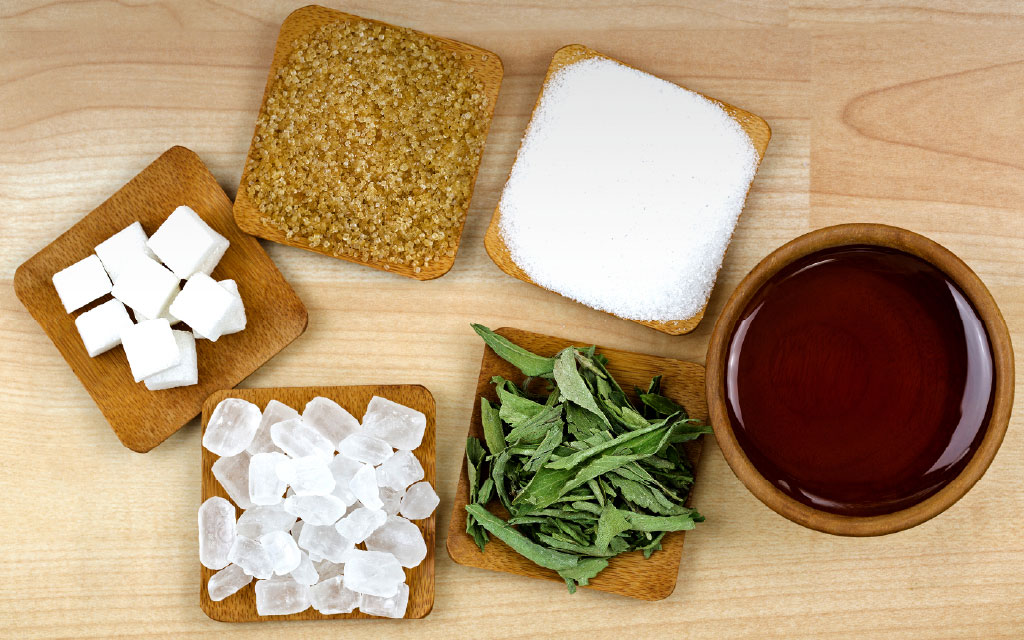
Stevia is one of the most popular options. Derived from the leaves of the Stevia rebaudiana plant, it’s up to 200 times sweeter than sugar yet contains zero calories. It delivers a clean, pleasant taste and is stable in both hot and cold drinks.
Monk fruit extract is another excellent natural sweetener. It comes from the monk fruit, a small melon native to southern China, and provides a rich, fruity sweetness without affecting blood glucose levels. It’s also known for its antioxidant properties.
Erythritol, a sugar alcohol found naturally in some fruits, offers about 70% of sugar’s sweetness but with minimal calories. It has a mild flavour and leaves no aftertaste, making it perfect for syrups that need a smooth, balanced sweetness.
Artificial Sweeteners Commonly Used
Artificial sweeteners are synthesised ingredients designed to mimic the sweetness of sugar without the calories. They are often used in no sugar syrups for their consistency, affordability, and long shelf life.
Sucralose is one of the most widely used options. It provides a sugar-like taste, is stable under heat, and dissolves easily in beverages, making it ideal for syrups used in coffee or baking.
Aspartame delivers a clean, sweet flavour similar to sugar and is often used in combination with other sweeteners to enhance taste balance. Although it has fewer calories than sugar, it’s significantly sweeter, so only small amounts are needed.
Acesulfame Potassium (Ace-K) is another popular choice. It’s typically combined with other sweeteners to reduce aftertaste and improve overall sweetness. When blended, these sweeteners create a smoother and more natural taste experience.
You can explore different varieties of no sugar syrup that use these sweeteners to deliver balanced flavour and sweetness suitable for any drink or dessert.
How Sweeteners Work Together
Most no sugar syrups don’t rely on just one sweetener. Instead, they combine natural and artificial options to create the perfect balance of taste and texture. These blends help replicate sugar’s mouthfeel, intensity, and smoothness while reducing any lingering aftertaste. The combination ensures that the syrup performs well in both hot and cold applications, maintaining sweetness even when added to coffee or baked goods.
Health & Dietary Benefits
No sugar syrups provide the sweetness you love without the unwanted calories. They’re suitable for people following low-carb, keto, or diabetic-friendly diets. Because the sweeteners used have little to no impact on blood glucose levels, they make it easier to enjoy sweet drinks without guilt. Many are also approved by food safety authorities, confirming that they are safe for daily use when consumed in moderation.
How No Sugar Syrup Is Made
Creating no sugar syrup involves dissolving a blend of sweeteners into purified water before adding flavour extracts like vanilla, caramel, or hazelnut. The mixture is then heated and combined until it reaches the desired consistency. This careful process ensures that the syrup is smooth, easy to pour, and has a balanced sweetness. The goal is to replicate the texture and richness of traditional syrup while keeping it calorie-conscious and suitable for modern dietary needs.
Choosing the Right No Sugar Syrup for You
When selecting a no sugar syrup, it’s important to look at the type of sweeteners used and the overall flavour profile. Natural options like stevia and monk fruit are great for those who prefer plant-based ingredients, while blended syrups often deliver a more sugar-like taste. Check the label for calorie content, flavourings, and dietary certifications such as vegan or gluten-free. Experimenting with different flavours—like vanilla, caramel, or hazelnut—can help you find your perfect match.
Frequently Asked Questions
Are these sweeteners safe for daily use?
Yes, most are approved by food safety authorities and considered safe when consumed within recommended amounts.
Do natural sweeteners taste better than artificial ones?
Taste preference varies, but many people prefer blends that combine both types for a smoother, more balanced flavour.
Is there a difference between sugar-free and no-sugar labels?
Both indicate the absence of added sugar, but “no sugar” often refers to products made without any form of sugar at all, including natural ones.
Can no sugar syrup cause stomach discomfort?
Some sugar alcohols, like erythritol, may cause mild bloating in large amounts, but most people tolerate them well.
Closing Thoughts
The sweeteners used in no sugar syrup are what make it possible to enjoy flavourful drinks and desserts without the sugar rush. Whether derived from plants or crafted in a lab, these ingredients help create healthier options that taste just as good as traditional syrups. If you’re looking to cut back on sugar while keeping your favourite flavours, no sugar syrup is a simple, delicious solution.